
Feel the Tap:
The Best Fishing Rods for Walleye
Walleye have the lightest bite in freshwater. They don't slam a lure — they inhale it and spit it out in under a second. A rod that can't transmit that subtle tap means missed fish. The right walleye rod is sensitive enough to feel a jig tick a rock at 25 feet, yet has enough backbone to drive a hook through a bony jaw.
Jigging, Trolling, or Spinning — Which Do You Need?
Walleye fishing demands different rods for different techniques. The wrong rod for the technique means missed fish — here's how to match them.
Jigging Rod
The Walleye Angler's Primary Weapon
A dedicated walleye jigging rod is the most important rod in your arsenal. It needs to be long enough to detect bites at depth (7'0"–7'6"), sensitive enough to feel a jig tick a rock at 25 feet, and have a fast or extra-fast action so you can drive a hook through a walleye's bony jaw on the hookset. Medium-light power is the sweet spot — enough backbone for the hookset, light enough to feel everything.
DU Tech Tip: The St. Croix Eyecon and Fenwick HMG are the two jigging rods our team uses most. Both have the sensitivity to detect a walleye mouthing a jig at 20 feet without fully committing. The extra-fast action means zero delay on the hookset.
Pros
- Maximum sensitivity for detecting light bites
- Fast action = instant hooksets on bony jaws
- Long length helps manage line at depth
- Works for live bait rigs and drop-shot too
Cons
- Not ideal for trolling crankbaits
- Requires more technique than a trolling setup
Best For
Vertical jigging, drop-shotting, live bait rigs on structure
The DU Tech Sensitivity Rule
Walleye bite like a ghost. They inhale a jig and spit it in under a second. If your rod can't transmit that tap instantly, you'll never know the fish was there. Always choose the most sensitive rod your budget allows — graphite over fiberglass, fast action over moderate, and braid over mono for zero-stretch sensitivity.
Jigging Setup
Trolling Setup
Shore / Casting Setup
The 5 Best Walleye Fishing Rods
Field-tested by the DU Tech Team on Lake Erie, Mille Lacs, the Finger Lakes, and Midwest reservoirs. Every rod here is matched to a specific walleye technique.

St. Croix Eyecon Spinning Rod
Built Specifically for Walleye
The St. Croix Eyecon is the only rod in this list designed from the ground up for walleye fishing. The SCII graphite blank is tuned specifically for the sensitivity needed to detect a walleye's light bite at depth. The extra-fast action means zero delay on the hookset — critical when a walleye inhales and spits a jig in under a second.
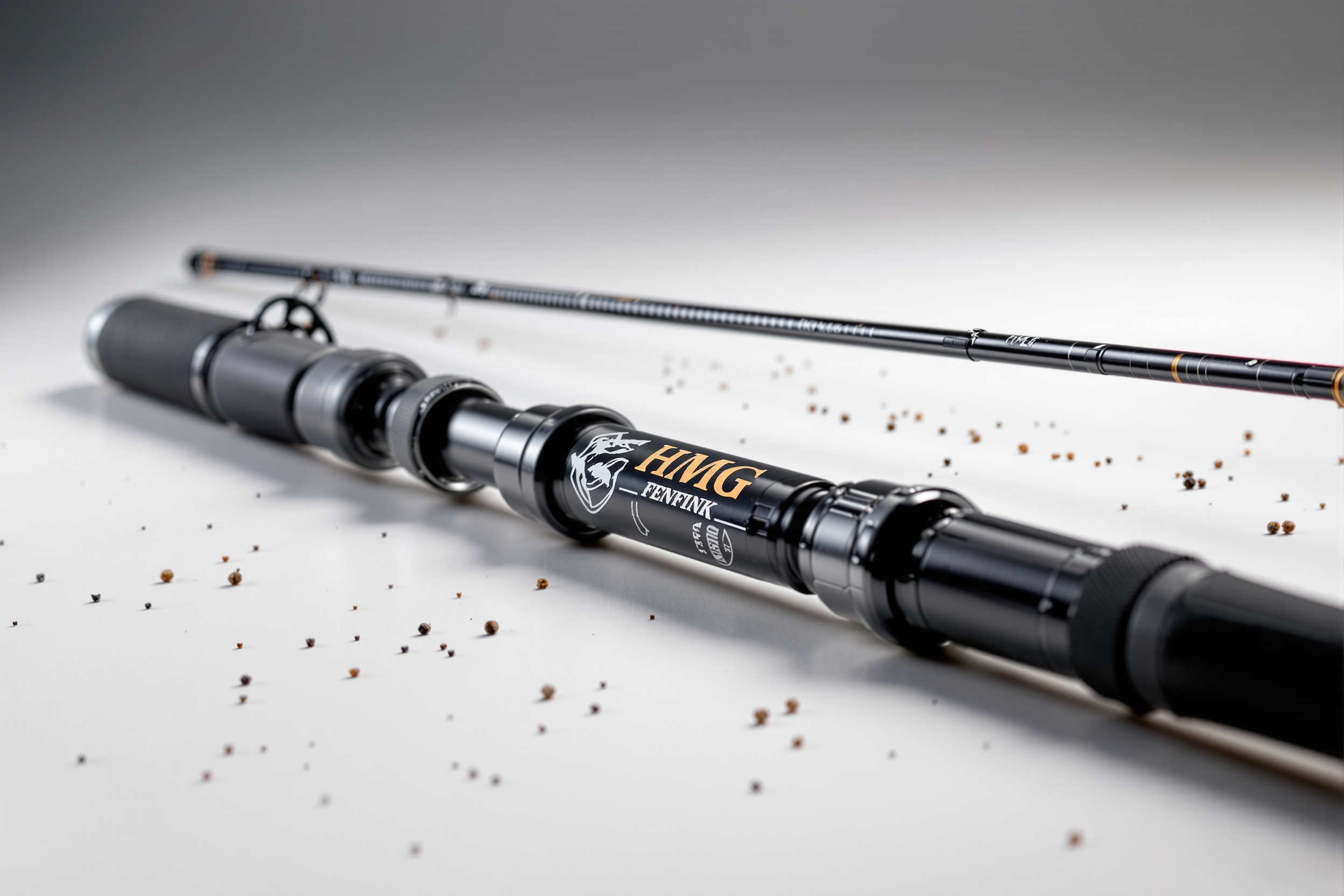
Fenwick HMG Spinning Rod
Tournament-Level Sensitivity at Half the Price
The Fenwick HMG delivers tournament-level sensitivity at roughly half the price of the St. Croix Eyecon. The HMG graphite blank is incredibly light and sensitive, and the fast action gives you the hookset power needed for walleye's bony jaw. The 6'9" length is the sweet spot for jigging from a boat.
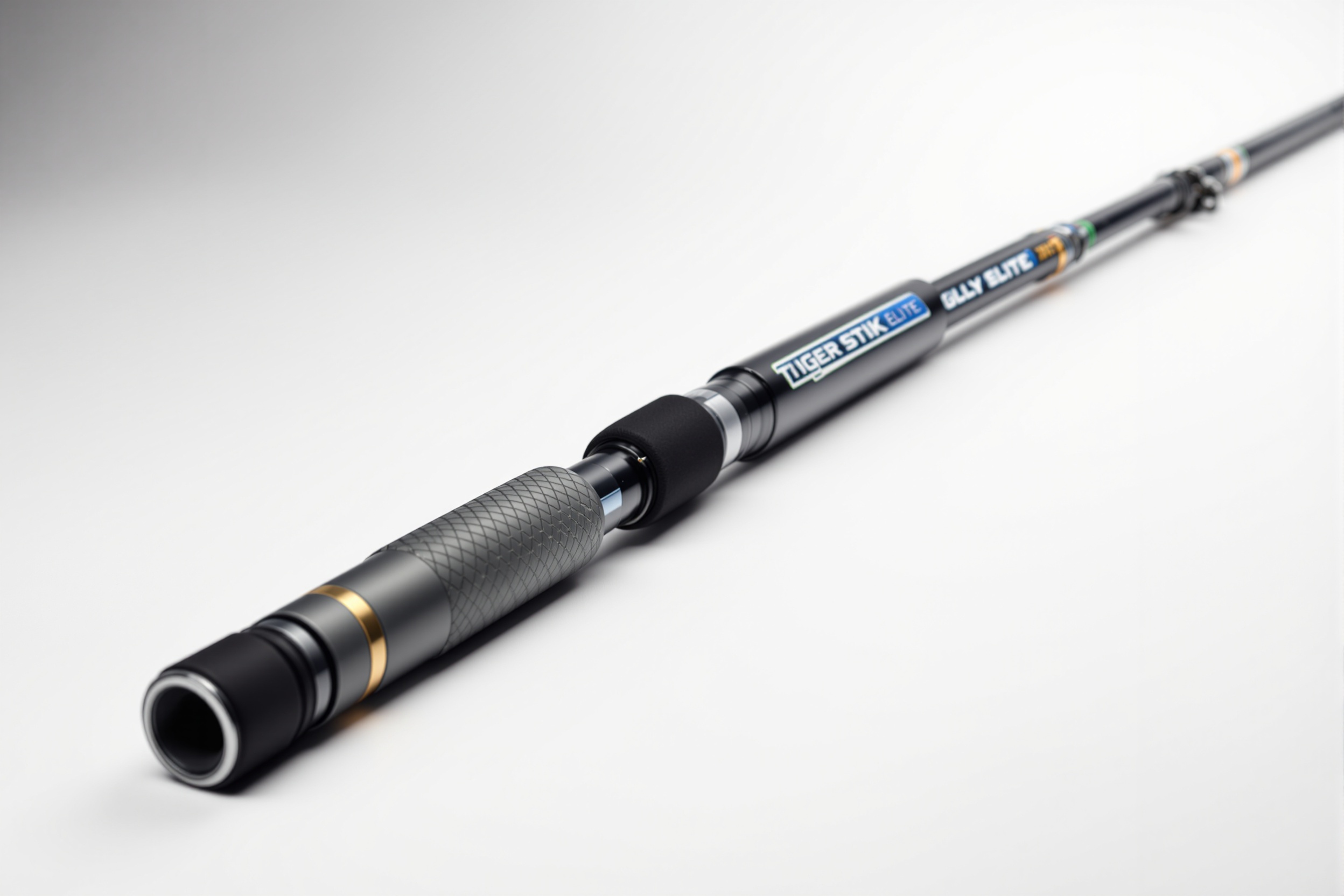
Ugly Stik Tiger Elite Trolling Rod
The Crankbait & Harness Specialist
When you're covering big water on Lake Erie or Mille Lacs, a trolling rod is non-negotiable. The Ugly Stik Tiger Elite's moderate action acts as a shock absorber when a walleye hits a moving crankbait — preventing the hook from ripping out. The 8-foot length helps spread lines when running multiple rods.
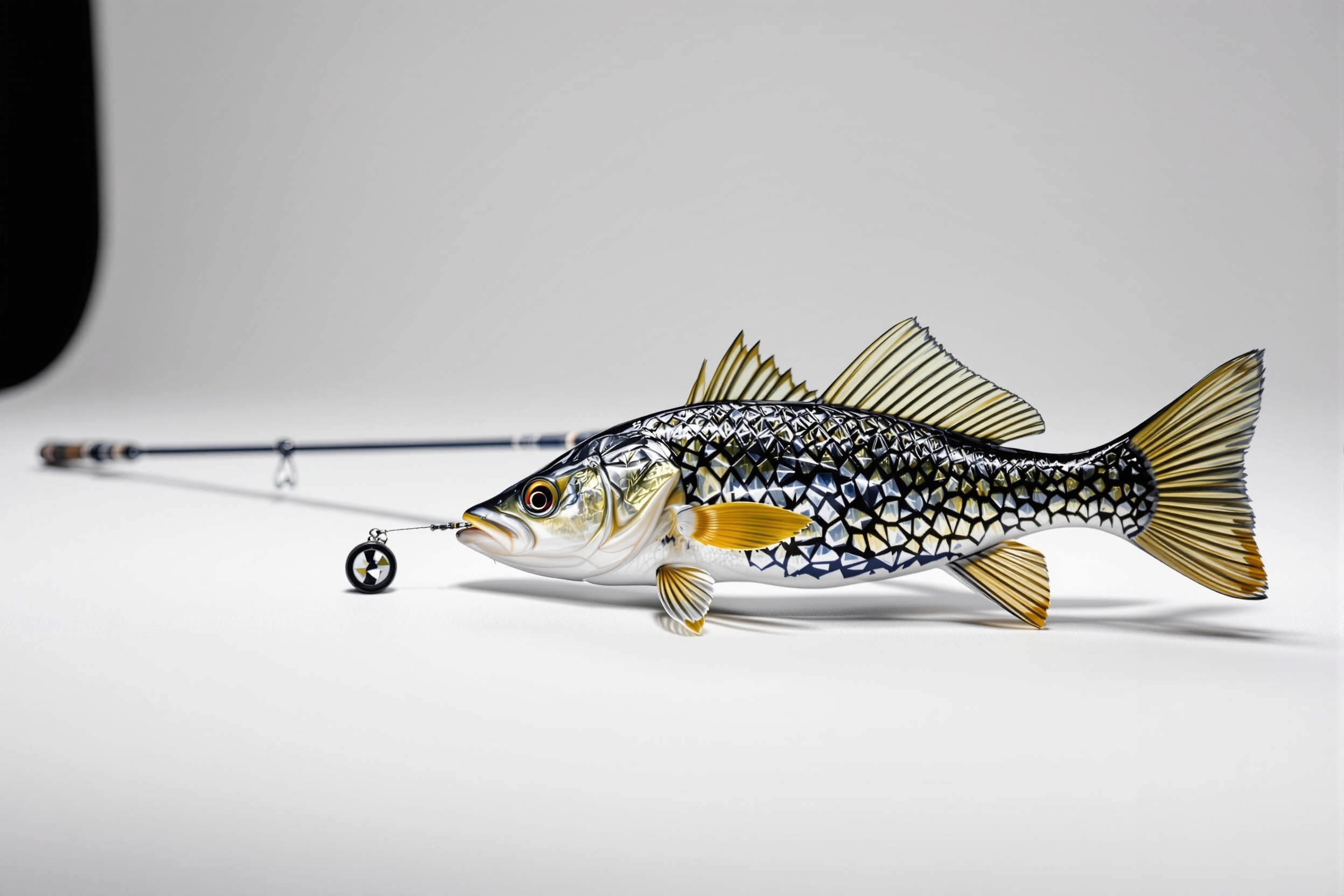
Lew's Speed Stick Walleye Rod
Precision Casting for Structure Fishing
For walleye anglers who prefer a baitcasting setup, the Lew's Speed Stick is the top choice. The IM8 graphite blank is incredibly sensitive, and the fast action gives you the precision needed to pitch jigs to specific rocks, points, and dock pilings. Baitcasters allow for more accurate casts than spinning gear in tight situations.
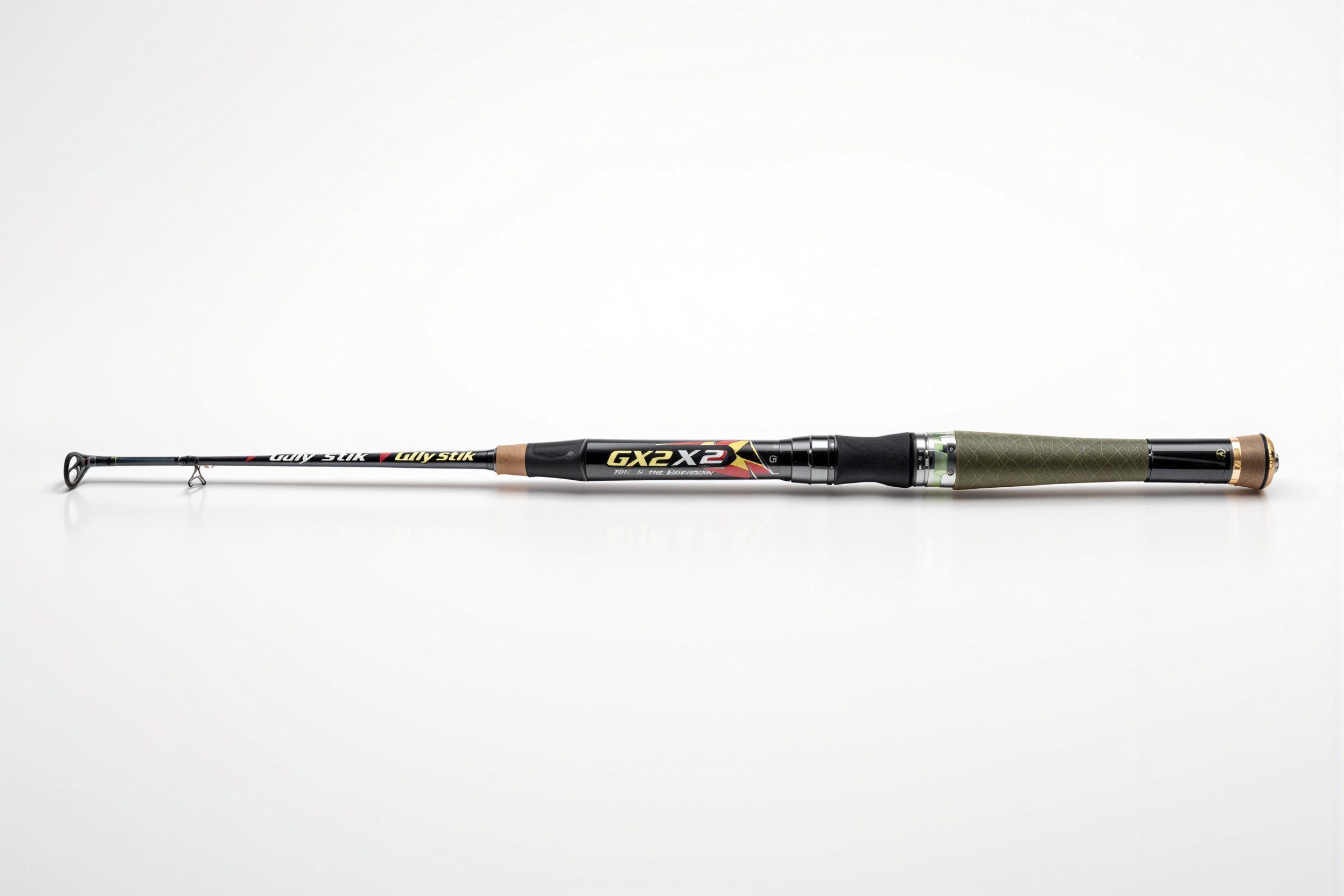
Shakespeare Ugly Stik GX2 Spinning Rod
The Affordable Entry Point
If you're new to walleye fishing or not ready to invest in a dedicated walleye rod, the Ugly Stik GX2 in medium-light is a solid starting point. It's durable, affordable, and sensitive enough to detect most walleye bites. The composite blank handles the abuse of a full season without complaint.
Match Your Rod Setup to the Depth
Walleye depth changes with season and time of day. Your rod, jig weight, and line choice need to change with it.
Peak Season: Late Spring / Early Fall
Rod Length
7'0"
Power
Medium-Light
Action
Fast
Jig Weight
1/4 – 3/8 oz
Line Setup
10 lb Braid + 8 lb Fluoro
DU Tech Team Tip
The most common walleye depth range. Use a 7-foot rod for better line management and sensitivity at this depth. Braid mainline with a fluoro leader gives you zero-stretch sensitivity while keeping the lure invisible.
Quick Depth Rule
Add 1/8 oz of jig weight for every 10 feet of depth. Start light and go heavier until you feel the bottom clearly.
The 4 Rules of Walleye Rod Sensitivity
Use Braid Mainline
10 lb braid has zero stretch — you feel every tick of the jig on the bottom. Mono has 25–30% stretch which kills sensitivity at depth.
Watch Your Line
At depth, you'll often see the bite before you feel it. Watch for any twitch, jump, or slack in your line. That's a walleye.
Hold the Rod Correctly
Keep the rod tip low (at 7–8 o'clock) when jigging. This keeps you in direct contact with the jig and lets you feel every tick.
Cold Water = Lighter Bite
In water below 50°F, walleye barely move. Use lighter jigs, slower retrieves, and be ready for a bite that feels like nothing more than a slight heaviness.
What the Gear Guides Don't Tell You
The right rod gets you in the game. These four rules are what actually put walleye in the boat.
The "Low Light" Rule — Fish at Dawn, Dusk, and Night
Walleye have a reflective layer in their eyes (the tapetum lucidum) that gives them a massive advantage in low-light conditions. They actively avoid bright sunlight and feed most aggressively at dawn, dusk, and after dark. If you're fishing midday in summer and catching nothing, it's not your rod — it's the time of day. Come back at sunset.
The "Lift and Drop" — The Most Effective Walleye Jigging Motion
The most effective walleye jigging motion is simple: lift the rod tip from 7 o'clock to 9 o'clock, then let the jig fall back on a semi-slack line. Most bites happen on the fall. Watch your line — if it stops falling or twitches sideways, set the hook immediately. The walleye has it.
Structure is Everything — Find the Rock, Find the Walleye
Walleye are structure fish. They hold on rocky points, gravel humps, submerged islands, and the edges of weed beds. A fish finder is essential for locating these features. Once you find the structure, position your boat so you can jig vertically down the edge. The walleye will be on the break — the transition from shallow to deep.
The "Cold Front" Rule — Wait 48 Hours After a Front Passes
A cold front is the walleye angler's worst enemy. When a cold front passes, walleye go deep, stop feeding, and become nearly impossible to catch for 24–48 hours. Our team's rule: if a cold front passed in the last 48 hours, don't bother jigging. Switch to slow-trolled live bait rigs or wait for the fish to recover. Patience is the most important walleye skill.
Complete the Walleye Silo
Best Walleye Lures
Jigging, trolling, and blade bait picks to pair with your new rod.
Walleye Depth Chart
Technique guide for jigging, trolling, and blade baits by depth.
Best Bass Reels
Many bass reels double as excellent walleye spinning reels.
Best NY Fishing Spots
Finger Lakes and Great Lakes walleye hotspots.
How to Tie a Hook
Essential knots for walleye jig heads and live bait rigs.
Fishing Line Guide
Braid vs. fluoro — the same principles apply to walleye.