Secure Your Catch: How to Tie a Hook to Fishing Line.
The strongest rod and most expensive reel won't matter if your knot fails. Most pros in the USA rely on just two knots. We've broken down the Improved Clinch Knot and the Palomar Knot into easy steps so you can cast with confidence.
Master These Two. That's All You Need.
Most USA pros fish their whole careers with just the Clinch and the Palomar. Pick the right one for your line type and you'll never lose a fish to a bad knot again.
Improved Clinch Knot

This is the "old reliable." It's been around for generations and works perfectly with standard monofilament line. Easy enough to tie in the dark with cold hands.
Skipping the second thread-back (the "Improved" part) turns this into a basic Clinch — significantly weaker. Always complete both passes before tightening.
For light monofilament (under 10 lb), do 7 wraps instead of 5. Thinner line needs more wraps to hold securely.
Pass about 6 inches of line through the eye of the hook from front to back. Leave enough tag end to work with.
Hold the hook and double the tag end back parallel to the main line. Wrap the tag end around the main line 5 to 7 times, working away from the hook eye.
Pass the tag end through the small loop that formed right next to the hook eye — the one between the first wrap and the eye.
Now pass the tag end back through the large loop you just created by threading through the small loop. This extra step is what makes it "Improved."
Wet the entire knot with saliva or water. Pull the main line slowly and steadily to slide the wraps down toward the hook eye. Trim the tag end to 1/8 inch.
Knot Strength & Ease Comparison
Strength percentages represent how much of the line's rated breaking strength the knot retains when tied correctly. A 100 lb line with a 90% knot breaks at 90 lb.
| Knot Name | Ease of Tying | Strength Rating | Best Line Type | Best For |
|---|---|---|---|---|
Improved Clinch | Very Easy | 90% | Monofilament | Everyday freshwater fishing |
PalomarStrongest | Easy | 99% | Braid / All Types | Big fish, braided line setups |
Uni Knot | Medium | 95% | All Types | Versatile — works for everything |
Loop Knot | Medium | 92% | Monofilament / Fluoro | Live bait, free-swinging lures |
Basic ClinchAvoid | Very Easy | 70% | Monofilament | Practice only — use Improved version |
What You Need to Tie Good Knots
Good knots start with good line and the right tools. These are the DU Tech Team's three non-negotiables for every tackle box.

Easier for beginners to tie knots with than braided line. Mono is soft, forgiving, and lets you see the wraps as you build the knot. It's also more resistant to friction heat than fluorocarbon — perfect for learning.
- Soft & easy to handle
- Knot wraps stay visible
- Forgiving for beginners
- Less friction heat than fluoro
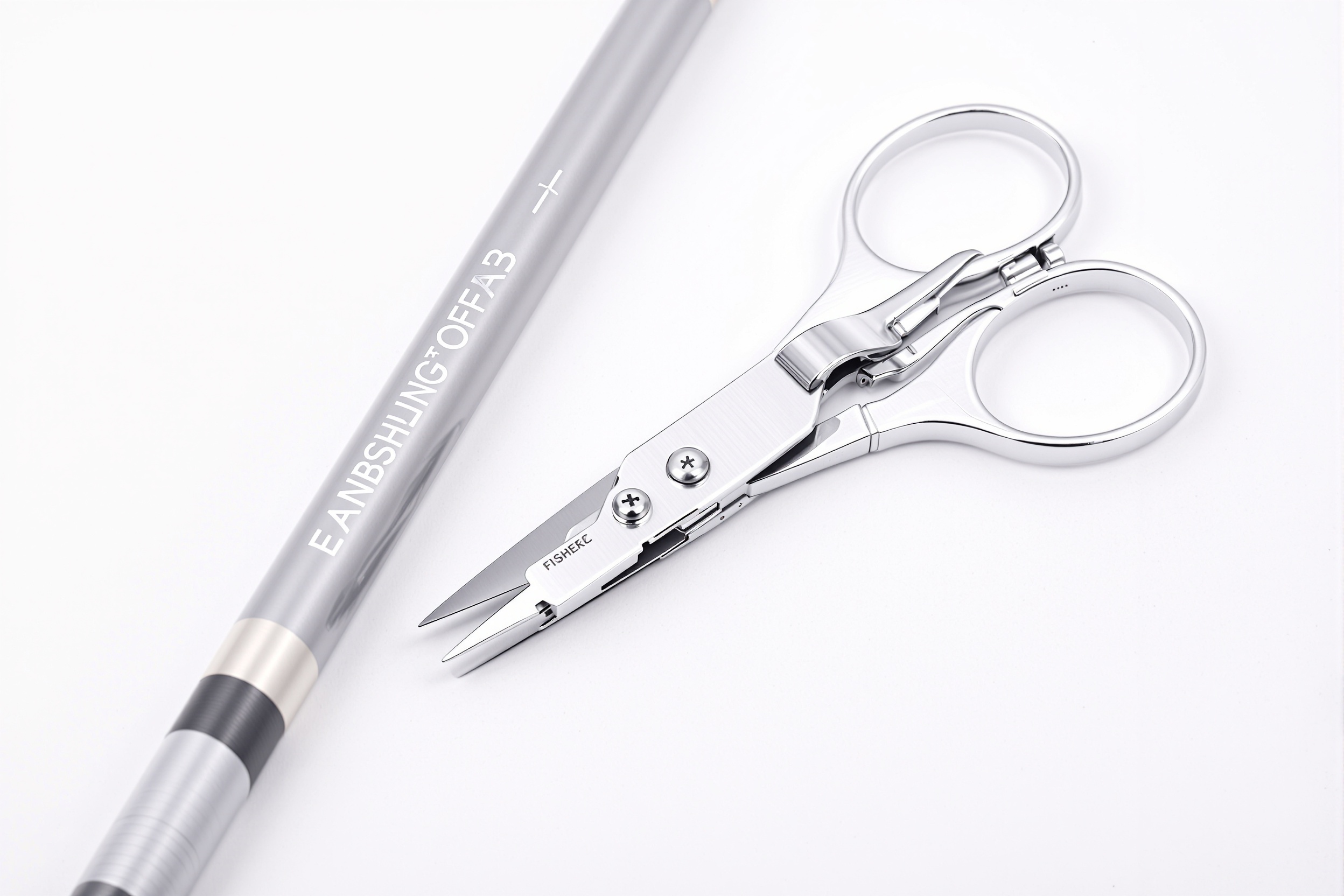
You need a clean, precise cut on the tag end for a professional-looking knot. Scissors leave a rough angle that can weaken the knot over time. A good nipper gives you a clean, flat trim right at the wrap — every time.
- Clean flat trim every time
- Retractor clips to vest or bag
- Works on mono, fluoro & braid
- Stainless steel — won't rust
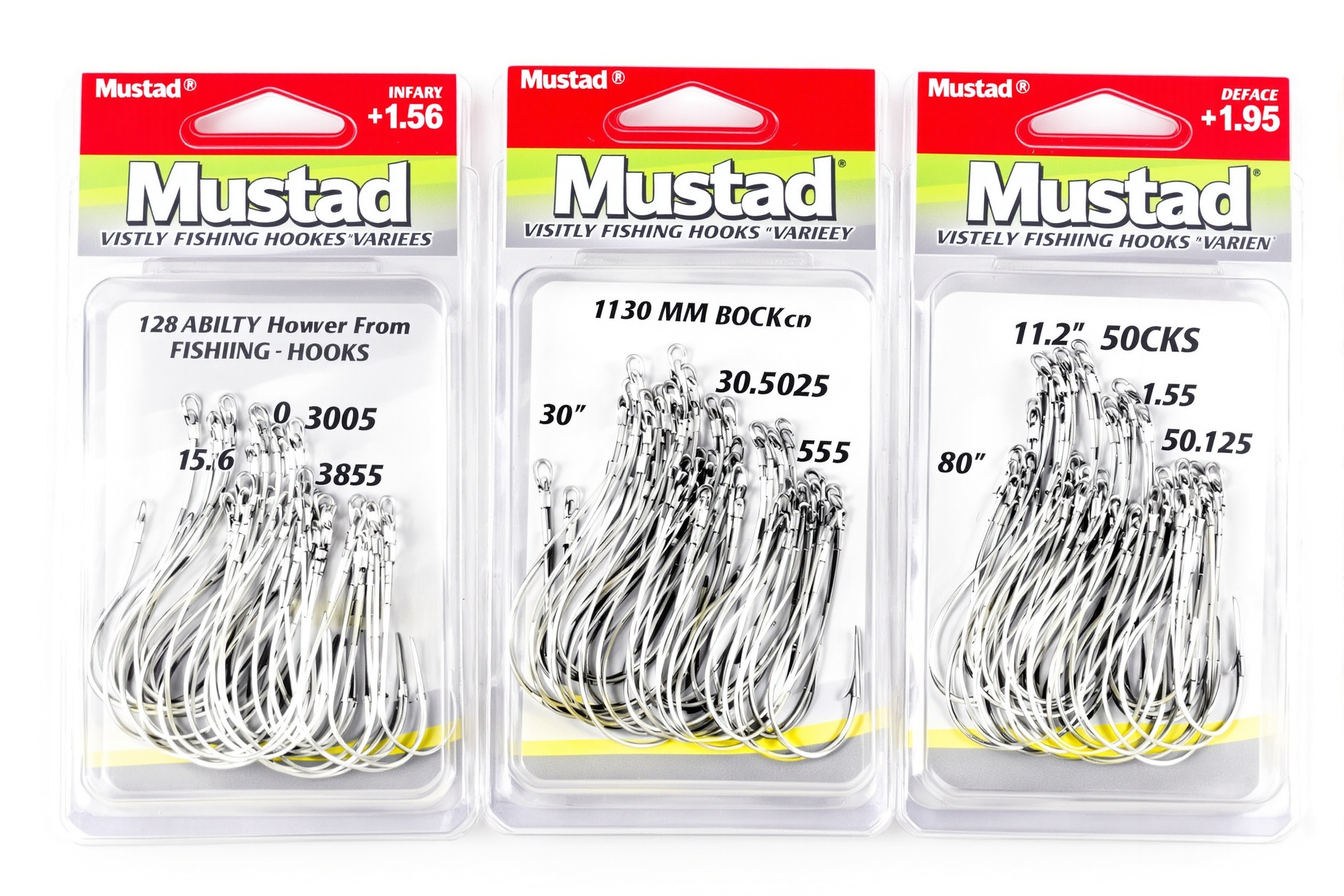
Practice makes perfect. Tie each knot 5 times at home before you hit the water. Muscle memory means you can tie them with cold hands, in the dark, or on a rocking boat. A variety pack gives you different eye sizes to practice with.
- 5+ sizes in one pack
- Perfect for practice sessions
- Mustad quality & sharpness
- Covers bass, trout & saltwater
The "Secret Sauce" of Knot Tying.
The #1 reason knots break isn't the fish — it's heat. Here's everything our team has learned from thousands of fish landed and a few frustrating losses.
When you pull a dry fishing line tight, the friction creates heat that weakens the plastic. Our team's rule? Always "lubricate" the knot with a bit of water or saliva before you pull it tight. Also, always leave a tiny bit of line (about 1/8th of an inch) when you trim the end. This gives the knot a little room to "seat" itself if a monster fish decides to run.
After a fish over 5 lbs, run your fingers down the last 18 inches of line. Feel for any roughness, kinks, or flat spots. A hard-running fish stresses a knot close to its limit — the next fish could snap it.
Use a proper nipper, not your teeth. A rough angle on the tag end creates a stress point inside the knot that can fail under load. A clean, flat trim takes one second and makes the knot more secure.
Before tying, run your fingernail around the hook eye. Any burrs or sharp edges will nick your line on the first hard strike. A small hook file fixes this in seconds — worth keeping in your tackle box.
Tie each knot 5 times at home before your trip. Muscle memory means you can tie them in the dark, with cold hands, or on a rocking boat. Use a doorknob or chair leg as your "hook."
Threading line, attaching a reel, and getting rig-ready from scratch.
Learn which line type — mono, fluoro, or braid — is best for your next saltwater trip.
If you're using the Palomar, you need the right braid. Our full rainbow braid guide.
Ready to go beyond the basics? Our full guide covers the Loop Knot, Uni Knot, and more.